Solar energy bodies have actually ended up being an important part of the international attempt to transition towards tidy, renewable energy sources. As worries regarding climate modification and also nonrenewable fuel source reduction increase, solar power systems supply an efficient as well as sustainable method to harness the sunshine's rich power. These systems change direct sunlight right into energy or heat, supplying a reliable, economical option to standard power sources.
What Are Solar Energy Systems?
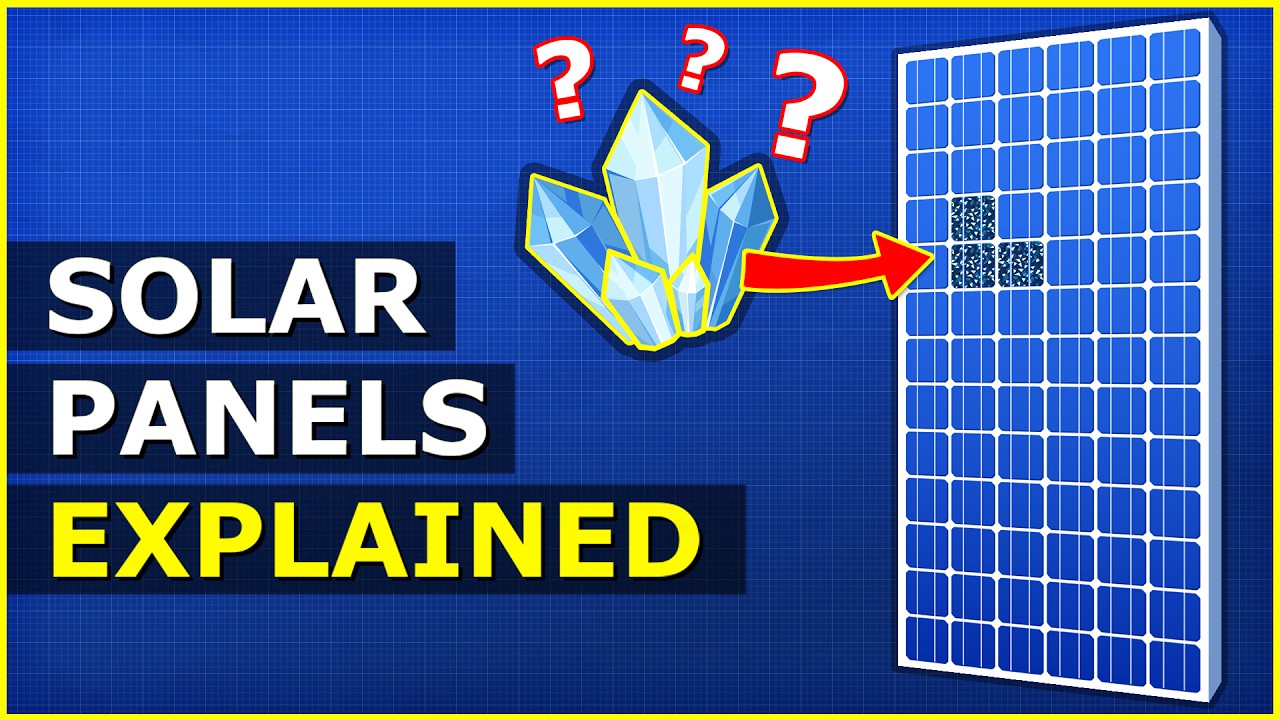
Solar energy devices pertain to the modern technologies and also components made use of to grab and transform solar radiation into usable power. Broadly, Solar energy systems they fall under pair of major types: solar (PV) bodies as well as sunlight thermal systems.
- Photovoltaic (PV) Systems: These bodies turn direct sunlight straight right into electric energy making use of photovoltaic panels constructed from semiconductor products like silicon. PV devices are widely made use of for residential, commercial, as well as utility-scale energy generation. Solar Thermic Solutions: These devices grab the sunshine's warm for requests including water heating system, area heating, as well as commercial processes. Solar thermal collection agencies, like flat-plate or evacuated pipe debt collectors, are common components of these systems.
Components of a Solar power System
A typical solar energy unit features numerous vital parts cooperating:
Benefits of Solar Energy Systems
Solar electricity bodies offer several benefits that make all of them a desirable selection for a lot of requests:

- Renewable as well as Rich: Solar power is actually limitless as well as extensively on call across the globe, making it a truly maintainable power source. Reduced Electricity Costs: As soon as set up, solar energy systems generate electrical energy at marginal functional prices, resulting in significant financial savings on power bills over time. Low Environmental Effect: Solar systems create tidy power without greenhouse gasoline discharges, helping reduce carbon dioxide footprints as well as fight weather change. Energy Independence: Through producing power on-site, users may decrease reliance on utility grids as well as boost strength in the course of energy outages. Incentives and Reimbursements: A lot of governments use tax obligation credits, gives, and other motivations to encourage solar power fostering, making setup much more affordable.
Applications of Solar Energy Systems
The flexibility of solar energy systems permits all of them to be deployed in a selection of contexts:
- Residential Use: Homeowners install photovoltaic panels to power their homes, minimize electricity costs, and increase building value. Solar hot water heater are additionally well-known in residential settings. Commercial and also Industrial: Businesses make use of solar systems to cut energy expenses, assistance durability objectives, as well as satisfy governing needs. Large sun varieties can power offices, warehouses, and factories. Remote and Off-Grid Locations: Solar energy systems offer energy to locations without access to standard electrical power networks, assisting country advancement as well as urgent response. Agricultural Sector: Solar-powered pumps, illumination, and chilling boost ranch efficiency and reduce working expenses. Utility-Scale Solar Farms: Sizable sets up create substantial amounts of electrical power nourished into electrical power networks, adding considerably to regional electricity supplies.
Factors Influencing Solar power Device Performance
Several variables influence the efficiency and efficiency of solar energy systems:
- Location and also Temperature: Places with high sun irradiance return better power manufacturing. In season modifications and climate may have an effect on output. System Layout as well as Setup: Effective positioning, slant angle, and shading evasion optimize power capture. Panel Premium as well as Technology: Advancements in photovoltaic panel products and also concept enhance sale productivity as well as durability. Maintenance: Routine cleansing and inspections make certain optimum functionality as well as longevity.
The Future of Solar Energy Systems
Technological innovations remain to press the perimeters of solar energy systems. Surfacing fads include:

- Bifacial Solar Panels: These panels catch sun light coming from both edges, improving general electricity generation. Building-Integrated Photovoltaics (BIPV): Solar battery included in to building materials, like windows as well as front views, mix visual appeals along with functionality. Hybrid Systems: Mixing photovoltaic with various other replenishable resources like wind or even battery storage boosts reliability. Smart Solar Solutions: Integration with clever networks as well as IoT gadgets makes it possible for much better electricity monitoring and efficiency.
Conclusion
Solar electricity units exemplify a transformative remedy for well-maintained, trusted, and affordable energy. Through using the sunshine's energy, these bodies provide considerably to environmental conservation and also power self-reliance. Whether for specific homes, organizations, or large energies, solar power systems are breaking the ice toward a lasting as well as resistant energy future.
Investing in solar energy systems today certainly not merely reduces carbon footprints but likewise delivers lasting financial advantages, making it a smart option for the world and wallet alike.